


Epoxy Resins in Focus: Pros, Cons, and Industry Insights
03 Nov 2025
- The Pros of Epoxy Resins
- The Cons of Epoxy Resins
- Industry Insights and Innovations
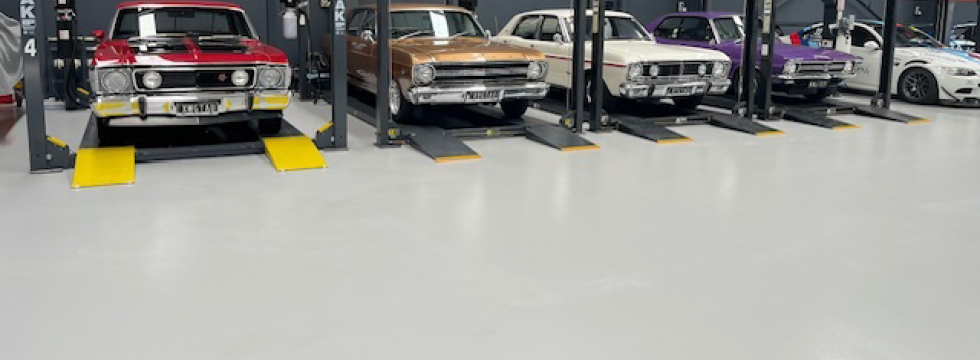
Epoxy resins have become a cornerstone material in modern construction and design, delivering surfaces that are as tough as they are beautiful. From gleaming showroom floors to sterile hospital corridors, this versatile polymer has transformed the way we think about performance flooring.
At Flowcrete, we’ve spent decades refining the science and application of epoxy systems across industrial, commercial, and architectural projects. Our experience offers a unique vantage point on both the strengths and limitations of this remarkable material. In this article, we’ll take a deep dive into epoxy resins, exploring their key benefits, common challenges, and the innovations shaping their future.
The Pros of Epoxy Resins
Unmatched Durability and Strength
Epoxy flooring is synonymous with strength. Once cured, it forms a seamless, rigid surface capable of withstanding heavy traffic, mechanical stress, and repeated impact. This durability makes it a preferred choice for warehouses, logistics hubs, and manufacturing environments. Unlike tiled or polished concrete floors, epoxy eliminates weak points such as grout lines or pores, resulting in a continuous surface that resists chipping and delamination.
Superior Chemical Resistance
Chemical resistance is where epoxy flooring truly excels. In automotive workshops, laboratories, or food and beverage processing plants, where exposure to aggressive chemicals is routine, epoxy forms a non-porous barrier that protects the substrate from damage. It resists oils, fuels, solvents, acids, and alkalis while remaining easy to clean. The seamless finish prevents liquid ingress and microbial growth, ensuring a hygienic and low-maintenance environment.
Aesthetic Versatility and Customisation
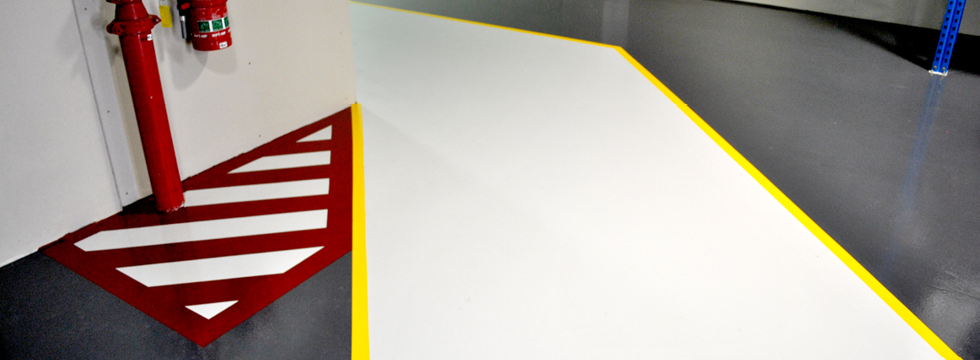
Beyond performance, epoxy offers outstanding visual flexibility. Available in a vast array of colours and finishes, it can be tailored to reflect a brand identity, define traffic pathways, or create dynamic feature zones. The addition of coloured flakes, quartz aggregates, or metallic pigments can transform a simple floor into a design statement, perfect for showrooms, schools, and retail environments.
Cost-Effectiveness and Longevity
While epoxy flooring involves a higher upfront cost than some alternatives, its lifecycle value is exceptional. A correctly specified and installed system can last a decade or more with minimal maintenance. Its smooth surface reduces cleaning time and chemical use, while the absence of joints and seams minimises repair costs. Over time, epoxy flooring delivers one of the lowest total costs of ownership in the flooring market.
The Cons of Epoxy Resins
Installation Challenges and Surface Preparation
Epoxy flooring is only as strong as its preparation. The concrete substrate must be mechanically profiled, dry, and free from contaminants for the epoxy to achieve optimal adhesion. Environmental factors, such as temperature and humidity, can influence curing and surface finish. Poor preparation or inexperienced installers can lead to common failures such as bubbling, pinholing, or delamination.
For this reason, partnering with trained applicators and adhering to manufacturer guidelines is essential to ensure a durable, high-performance result.
UV Sensitivity
Conventional epoxy resins, especially aromatic systems, can discolour or amber when exposed to UV light. While this doesn’t impact performance, it may affect aesthetics in sunlit or outdoor areas.
To overcome this, Flowcrete systems often combine epoxy base coats with UV-stable aliphatic polyurethane topcoats, providing long-term colour retention and gloss stability, even under direct sunlight.
Environmental and Safety Considerations
Older solvent-based epoxies can emit volatile organic compounds (VOCs) during installation, producing odours and impacting indoor air quality.
The industry, however, has made major strides. Modern low VOC, solvent-free, and water-based epoxy systems have drastically reduced environmental impact. These solutions enable installation in operational facilities, such as hospitals, schools, and shopping centres, with minimal disruption and improved safety for both installers and occupants.
Industry Insights and Innovations
Sustainability and Green Building Compliance
Sustainability is now integral to material specification. Manufacturers are developing bio-based epoxy resins derived from renewable feedstocks and systems incorporating recycled fillers to meet green building standards such as LEED and Green Star. These products allow specifiers to combine durability and environmental responsibility, a key focus for developers and architects alike.
Advanced Formulations for Specialised Environments
Epoxy technology continues to evolve to meet industry-specific needs. Modern formulations now offer:
- Thermal shock resistance for food and beverage processing facilities
- ESD (electrostatic dissipative) systems for electronics manufacturing
- Fast-cure hybrid systems that return facilities to service within hours
Such innovations enable engineers and facility managers to match performance precisely to operational demands, reducing downtime and enhancing safety.
Digital Tools and Smart Specification
Digital specification tools are changing the way flooring is designed and visualised. Virtual design platforms and BIM-compatible resources allow architects and designers to preview finishes, test colour combinations, and ensure accurate product specification early in the design process. This technology supports better communication between stakeholders and reduces costly on-site changes.
Conclusion
Epoxy resins remain one of the most versatile and proven materials in modern flooring. Their combination of durability, chemical resistance, and aesthetic flexibility makes them indispensable across commercial, industrial, and institutional applications.
While successful performance depends on correct installation and system design, continued innovation is broadening their capabilities, from sustainable manufacturing to digital specification.
Ready to explore how epoxy resin flooring can enhance your next project? Contact the experts at Flowcrete Pacific to discuss your needs and discover flooring solutions engineered for performance, beauty, and longevity.
ENDS
Enjoy this post? Click below to share it with your network:
Press Contact
For further information please contact marketing@tremco.com.au
Notes to Editors
Flowcrete is a world leader in the manufacture of seamless industrial and commercial resin flooring solutions. Flowcrete is now part of Tremco Construction Products Group.
Tremco CPG's leading brands have served as the benchmark for excellence and quality products since our first entry of our brands into the Australian region in 1984. Our commitment to serving our clients in a variety of areas with innovative and strategic technology products has allowed us to consistently grow for over 40 years.
Tremco CPG Australia is part of RPM International Inc. and our leading brands include Flowcrete, Tremco, Duram, illbruck, Nullifire, Dryvit, Nudura and Euclid Chemical.
For further information please contact marketing@tremco.com.au
Or visit us on the web at www.tremco.com.au